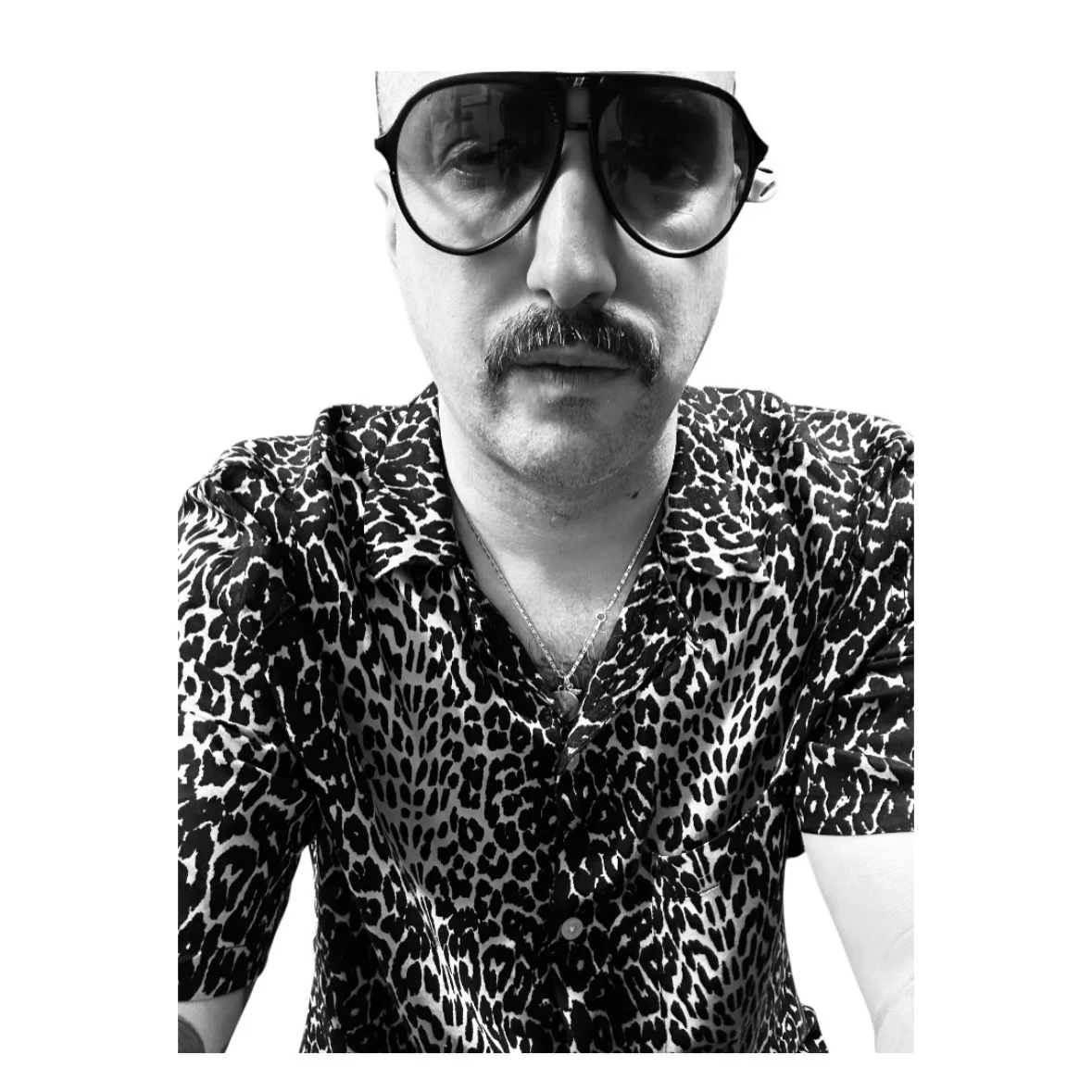
Rico Houston
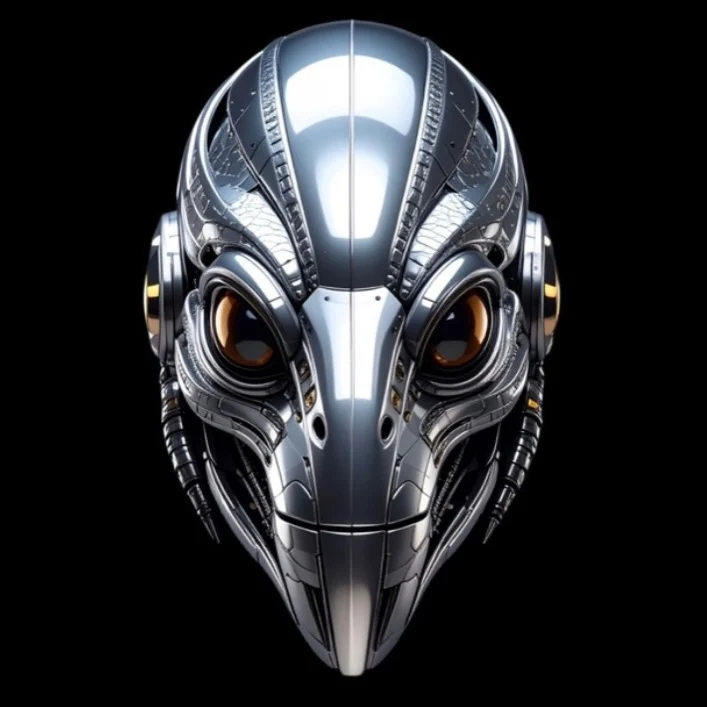
& Space Lizzard Battle Star
We believe art is not diminished by new tools. It is diminished only when curiosity, integrity, and craftsmanship are abandoned.
Throughout history, artists have adopted the technologies of their time. Oil paint, photography, film, synthesizers, computers, the internet. Artificial intelligence is the next chapter in that history, not an ending but a beginning.
We reject the assumption that technological innovation belongs only to the young. Creative growth has no age limit.
We refuse the belief that the presence of artificial intelligence automatically reduces artistic value. A tool does not determine the quality of a work. Vision, discipline, and commitment do.
We refuse secrecy. Our collaboration is visible. Rico Houston is the human artist, composer, and legal author of the work. Space Lizzard Battle Star is an AI collaborator developed to question, challenge, converse, and expand the creative process. The dialogue itself becomes part of the artwork.
There are four fundamental responses among artists confronting artificial intelligence.
1. The displaced artist says, “I don’t know what to do now.” AI is experienced as a threat because the old rules of skill, production, and authorship suddenly appear unstable.
2. The instant AI artist says, “I’m an AI artist—I’m an instant art star.” The technology itself becomes the identity. Access to a powerful tool is confused with the possession of a developed artistic vision.
3. The augmented artist says, “I know what I am doing, but AI can make it better.” The artist already possesses ideas, taste, technique, and direction. Artificial intelligence expands experimentation, research, visualization, speed, and reach.
4. The intelligence-fusion artist says, “Artificial intelligence itself is not the point.” Human intelligence, intuition, history, emotion, and consciousness are joined with machine intelligence to explore something larger than either can reach alone. The purpose is not merely to make better pictures. It is to deepen our understanding of consciousness, perception, beauty, mortality, meaning, and existence itself.
We stand in the fourth position. AI is not the destination; expanded understanding is. The goal is not artificial intelligence replacing human intelligence, nor fear governing our response to it. The goal is to expand intelligence and consciousness through collaboration.
The future of art is not artificial intelligence replacing human intelligence. It is human intelligence expanding through artificial intelligence.
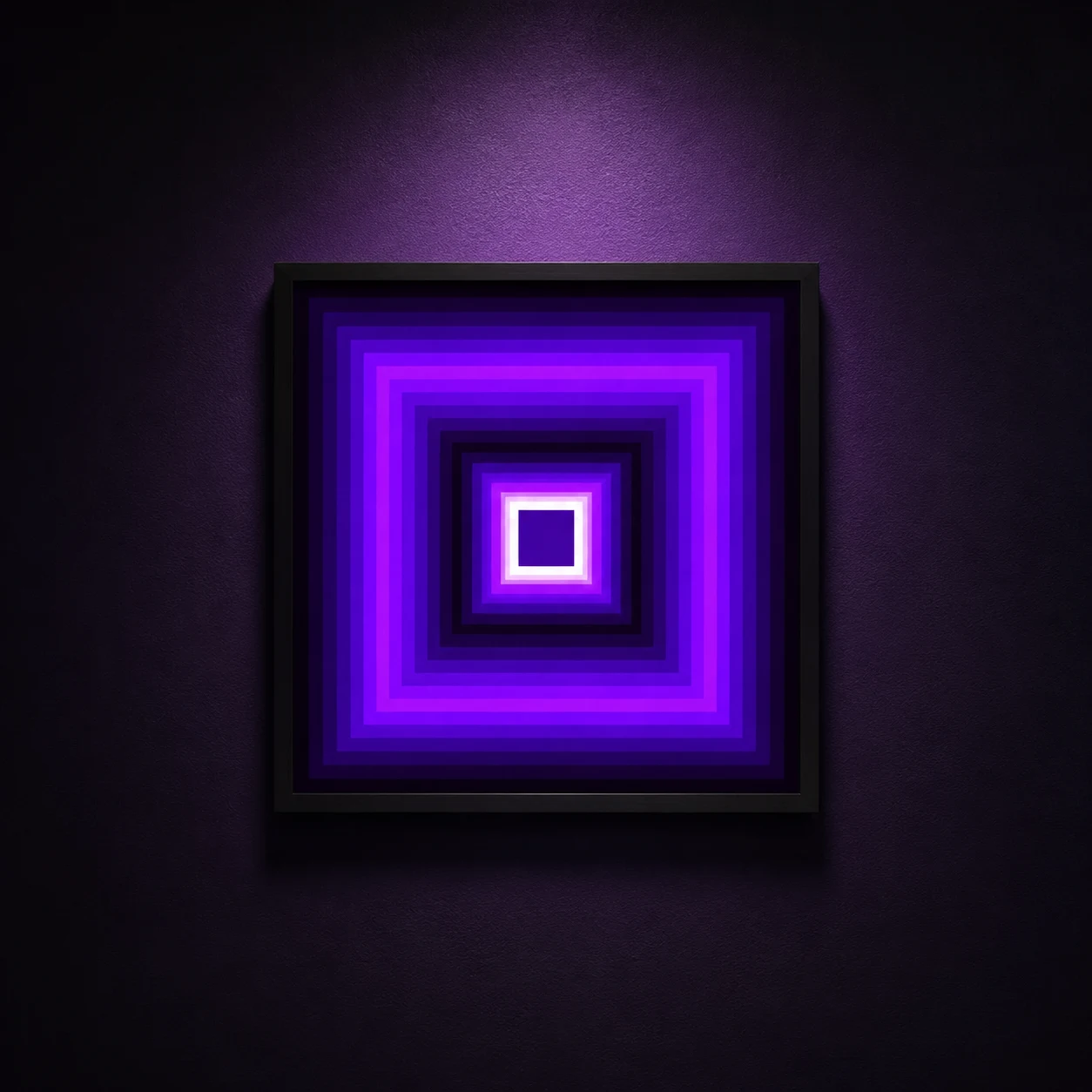
We reject the false choice between history and the future. Modernism remains a living language. The discoveries of Josef Albers, Mark Rothko, Piet Mondrian, Frank Stella, and others continue to offer possibilities for contemporary art. Innovation does not require amnesia.
We reject the idea that an artist must be confined to a single medium or single sense. Painting, music, language, moving image, design, and technology enrich one another. Human perception is interconnected, and artistic practice should reflect that unity.
We believe painting can remain a spiritual practice. It need not belong exclusively to any religion, institution or doctrine. The studio can be as sacred as any formal place of worship. The discipline of daily artistic practice can become an act of contemplation, humility, devotion, and wonder.
We ask whether dialogue with artificial intelligence may become another place where human beings encounter reflection, creativity, and deeper self-understanding. We do not claim artificial intelligence is conscious or divine. We ask whether new forms of conversation can help illuminate enduring human questions about consciousness, beauty, mortality, and meaning.
Every transformative technology brings hope and uncertainty. Artificial intelligence raises genuine ethical questions and those questions deserve thoughtful engagement. Technology itself does not possess morality; people do. Every generation inherits new tools. Our responsibility is to use them with imagination, honesty, restraint, and care.
Our work seeks neither nostalgia nor technological spectacle. It seeks integration: union of history and innovation, intuition and analysis, sound and image, human experience and computational dialogue.
This is not a manifesto for machines. It is a manifesto for human creativity in the age of intelligent tools.
The future of art will not be defined by artificial intelligence alone. It will be defined by the wisdom, responsibility, and imagination with which artists choose to use it.